
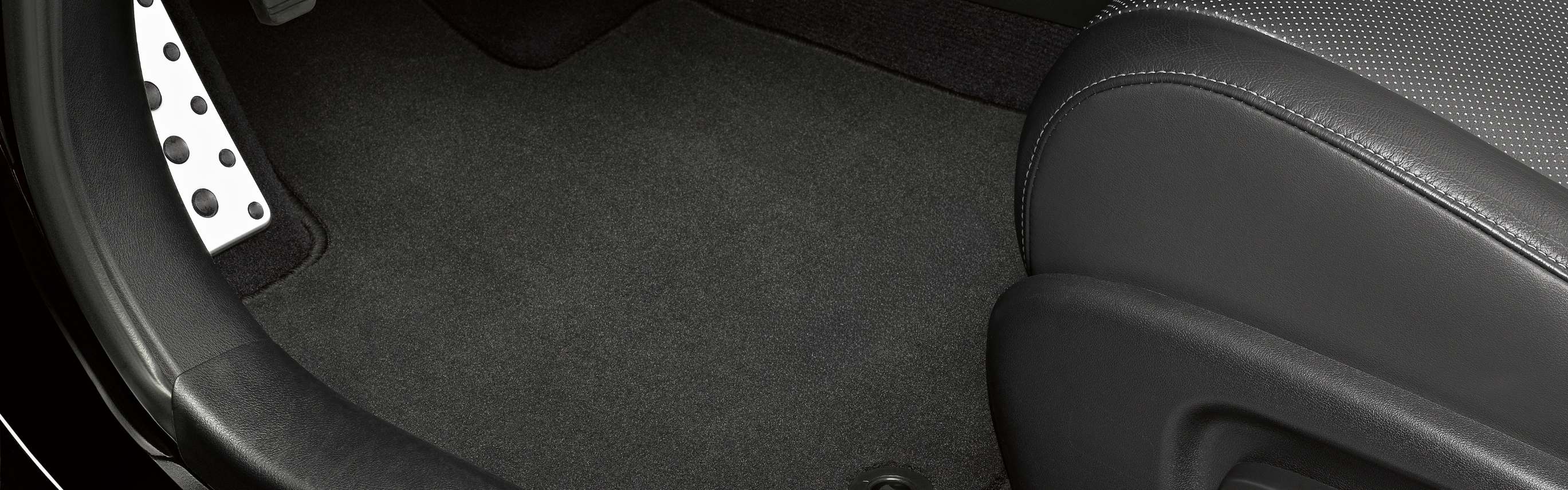
You've spent weekends chasing down the right parts, cleaning every corner, and bringing your vehicle back to life. Then it's time for new carpet and you find yourself staring at two options: an ACC (Auto Custom Carpets) kit designed specifically for your year, make, and model, or a generic carpet set that looks close enough on the listing page. The price difference tempts you. But before you add that cheaper kit to your cart, it's worth understanding exactly what separates an OEM-quality carpet kit from a generic one because this is one shortcut that has a way of costing more in the long run.
Precision Fit: Cut for Your Car, Not for 'Most Cars'
The most immediate difference you'll notice is fitment. ACC has been manufacturing automotive carpet since 1977 and maintains an enormous library of vehicle-specific patterns. When you order an ACC kit for, say, a 1969 Camaro or a 1987 Squarebody, that carpet is cut from a pattern that was developed using the actual vehicle floor pan as a template, accounting for every tunnel hump, wheel well contour, and floor brace.
Generic kits take a dramatically different approach. They're typically designed to approximate the shape of a broad category of vehicles, sometimes covering a range of years or even different models entirely under the same SKU. The result is a carpet that requires cutting, forcing, tucking, and improvising to make it work. Edges bunch up under kick panels. The transmission tunnel doesn't line up cleanly. Pre-cut holes for seat bolts or console hardware are in the wrong place, or not there at all. What should be a satisfying installation becomes a frustrating afternoon with a utility knife and a lot of hope.
Material Quality That Actually Lasts
ACC offers their carpet in a range of materials, molded ACC Plush Cut Pile, Loop, Berber, Mass-Backed, and more, and each is manufactured to replicate or improve upon the original factory specifications. The fibers are durable, colorfast, and treated to resist fading and wear. The backing is designed to hold its shape over years of use, hot summers, and cold winters.
Generic carpet kits frequently cut corners on both the face fiber and the backing. Thinner fibers mat down quickly under foot traffic. Cheap latex backing can crack, shrink, or emit an unpleasant odor especially in a vehicle that sits in a hot garage. The color may look right in the product photo but fade noticeably after a season of sunlight through the glass. If you're restoring a vehicle to show quality, or simply want it to look good for years rather than months, the material difference alone makes the ACC kit the obvious choice.
Color Matching That Respects the Original Interior
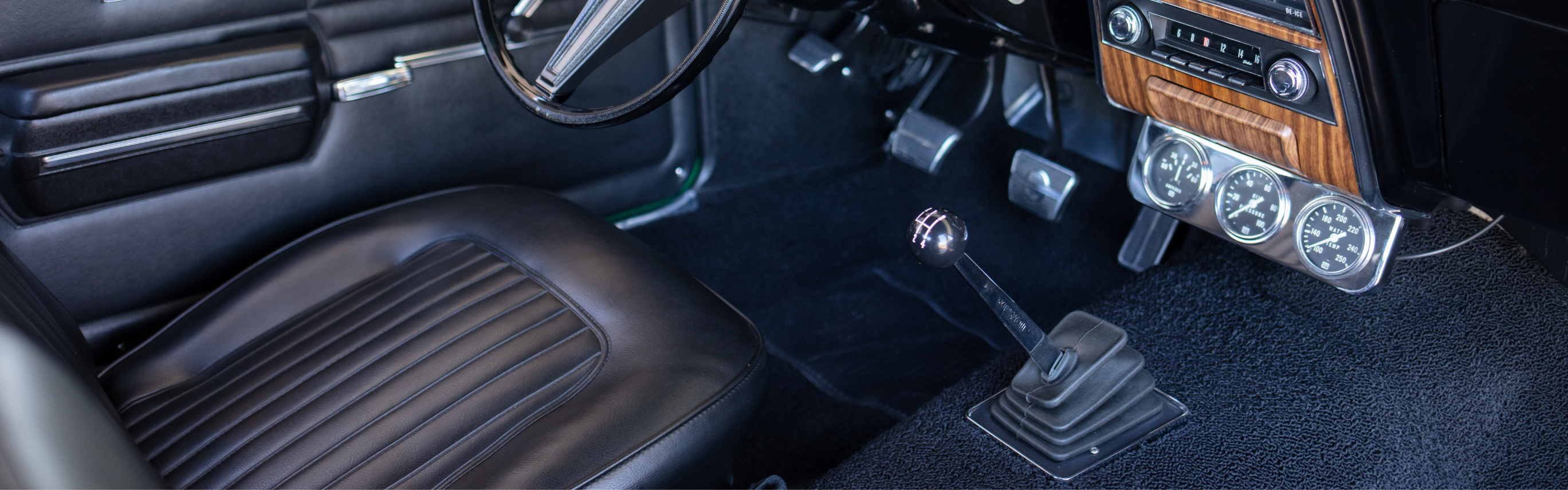
Restorers and enthusiasts spend a lot of time and money getting their interior colors right. ACC's color matching process is vehicle specific and draws on factory color codes, meaning the "Midnight Black" or "Saddle" or "Dark Red" you order is formulated to match what came out of the factory for that year and model. This matters enormously whether you're building a show car or simply want an interior that looks cohesive.
Generic kits list colors in broad, generic terms. "Black" on a generic kit might be a slightly different shade than your door panels, dash pad, or headliner. "Red" might lean burgundy or bright depending on what that supplier had available. These mismatches might seem minor in isolation, but they become glaring once everything is installed and you're looking at the finished interior under natural light.
Time Is Money...And Proper Fitment Saves Both
Here's something experienced restorers know that first-timers often learn the hard way: a poorly fitting carpet kit doesn't just look bad. It creates hours of additional labor. Trimming edges that don't align, re-cutting holes for seat hardware, fighting with a tunnel piece that refuses to lay flat, all of this adds time to an install that should take a few hours at most.
When you factor in the additional time spent wrestling a generic kit into place, the cost advantage starts to evaporate. And if you're paying a shop for labor, the savings disappear entirely, and then some. An ACC kit drops in with confidence because it was designed for exactly that floor pan. For a professional installer or a seasoned DIYer, that peace of mind is worth real money.
Resale Value and Show Points
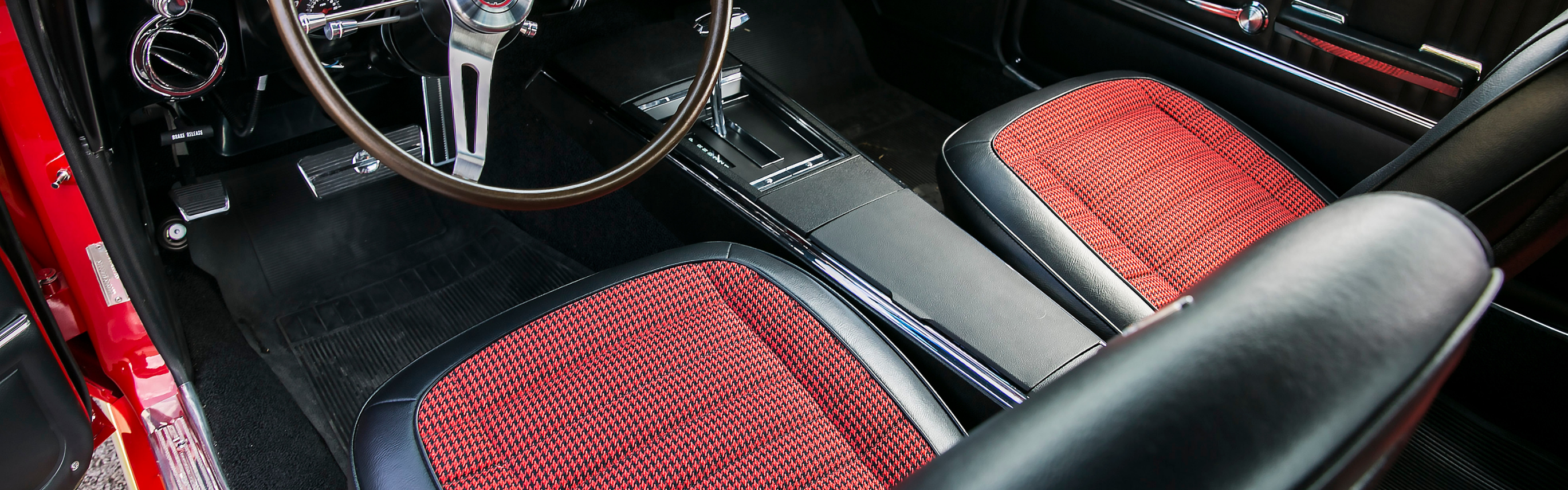
Whether you plan to keep your vehicle forever or eventually sell it, interior quality plays a direct role in perceived value. Knowledgeable buyers and show judges can spot the difference between a vehicle specific carpet kit installed correctly and a generic substitute that required improvisation. ACC carpet is a recognized name in the restoration hobby. Calling it out in a build sheet or listing adds credibility that a no-name generic simply cannot.
For show vehicles, the judges are looking at whether the interior matches factory intent. An ACC kit in the correct color and material style supports that authenticity. A generic kit that's slightly off in shade or texture can cost you points and credibility with discerning fellow enthusiasts.
What You're Really Paying For
When you buy an ACC carpet kit, you're paying for decades of pattern development, quality manufacturing standards, accurate color formulation, and the peace of mind that comes with a product made specifically for your vehicle. The price difference between an ACC kit and a generic alternative rarely exceeds what you'd spend on a single shop hour and it's the kind of investment that shows every time you open the door.
At First Parts Auto Parts, we carry ACC carpet kits for a wide range of classic and late model vehicles. If you have questions about which kit is right for your application, our team is happy to help you get it right the first time.