
What Camaro Owners Actually Say About Converting to Disc Brakes
First-generation Camaros left the factory with four-wheel drum brakes, and for owners restoring or driving these cars today, converting to disc brakes has become one of the more commonly discussed upgrades in the enthusiast community. To get a sense of what the process is actually like, and whether it lives up to the reputation, it's worth looking at what owners themselves have reported across some of the longest-running Camaro forums.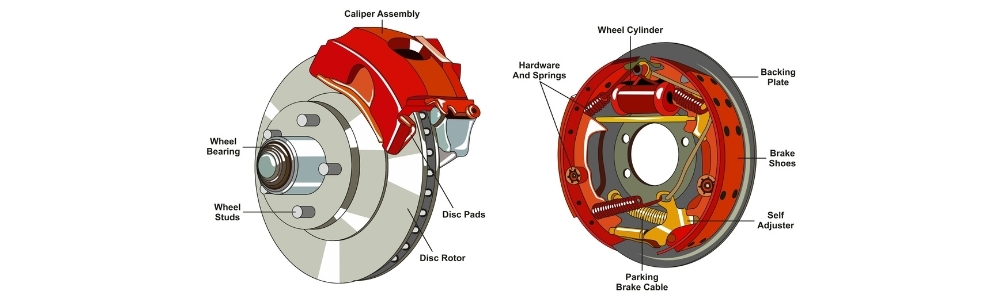
The Appeal: A Different Feel Behind the Wheel
The most consistent theme across owner discussions is a noticeable change in how the car stops. On Camaros.net's Team Camaro Tech forum, one owner who converted the front end of a '69 to disc brakes using an 11-inch slotted rotor kit reported that the car stopped noticeably better than it had on all four drums, and called the roughly $600 he spent worth every penny (Camaros.net).
That sentiment shows up again and again. On a separate Camaros.net thread specifically about budget-friendly kits, one poster who did a full four-wheel conversion said he had zero concerns about the car's braking ability after installing a kit from Matt's Bowtie for around $700, adding that the parts were easy to install (Camaros.net). Another owner on that same thread described the front conversion as delivering way improved braking, while noting that a rear disc conversion is more cosmetic and has less real effect on stopping unless the car sees autocross use.
It's Not Always Plug-and-Play
Owner accounts also make clear that these conversions aren't automatically trouble-free. On the Pro-Touring forum, one owner detailed a rear disc conversion where the parts included in the kit were weaker than expected, the metallic pads had to be swapped for ceramic, and both the booster and proportioning valve ended up needing replacement. He noted that tech support was slow, with roughly a two-day turnaround on requests, and that the process took considerably more troubleshooting than anticipated (Pro-Touring.com).
A more serious version of that same lesson shows up on a Camaros.net thread titled "Disc brake conversion problems," where an owner who converted a '69 to front discs while keeping the rear drums ended up with a pedal that was harder than the old all-drum setup and braking performance he described as worse than before. The root cause, according to other members in the thread, was a mismatched master cylinder bore size relative to the new caliper piston area, a detail that's easy to get wrong when mixing parts from different suppliers (Camaros.net).
These accounts point to a common thread in the more detailed owner discussions: conversions that use mismatched or generic components, rather than a kit engineered specifically for the Camaro's factory geometry, are where most of the reported problems originate. If you need help installing a disc brake conversion kit, check out our install guide.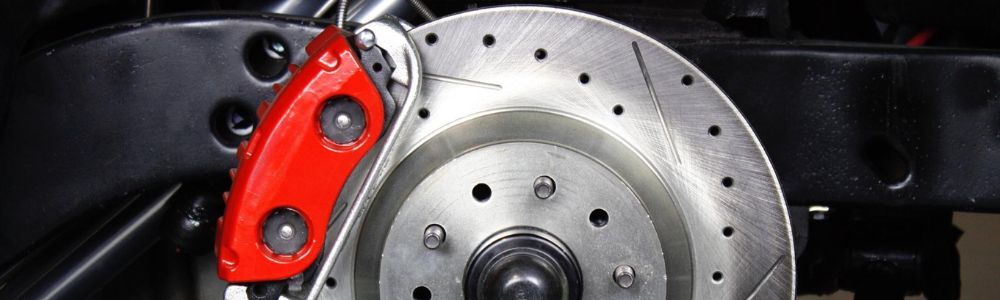
Wheel Fitment Is a Recurring Concern
Because most first-gen Camaros originally rode on 14-inch wheels, wheel clearance comes up constantly in these threads. On the Team Camaro Tech forum, one detailed discussion walked through how certain kits are designed to work with the factory drum spindle offset specifically so that 14-inch wheels will still clear the calipers, while other kits require moving up to 15-inch wheels. One owner running a kit designed around stock spindles noted it was a simple, install-friendly option for street use, though it didn't offer the bigger "big brake" upgrade some owners want (Camaros.net). Other owners in the same thread confirmed that most 14x7 factory wheels clear disc calipers without issue, while some narrower 14x6 wheels can be tighter.
What Owners Recommend to Others
A few pieces of advice show up repeatedly across these forums. Several longtime members caution against kits that require cutting or modifying the factory spindle, since it moves the job outside the realm of simple, reversible OEM-style parts. Others recommend sticking with an OEM-style kit specifically because replacement parts, boosters, calipers, and pads, remain easy to source at any local parts store down the road, unlike specialty components that may require going back to a specific vendor.
On the subject of rear disc brakes specifically, more than one owner pointed out that axle end play matters, and that open differentials (as opposed to Positraction units) can develop enough play over time to affect pedal feel after hard cornering.
The Bottom Line, According to Owners
Across dozens of threads spanning more than a decade of discussion, the consensus among first-gen Camaro owners is fairly consistent: a properly matched front disc conversion tends to deliver a clearly improved, more confidence-inspiring pedal feel compared to drum brakes, particularly for cars that see regular street use. But the owners with the smoothest experiences overwhelmingly point to kits engineered specifically for the Camaro's factory geometry, correctly matched master cylinder and proportioning valve components, and attention to wheel fitment before buying, rather than piecing together parts from multiple sources and hoping they work together.
Sources: Camaros.net Team Camaro Tech forum, Pro-Touring.com forum, and CamaroForums.com. Quotes are drawn from publicly posted owner discussions and are attributed to forum threads rather than named individuals, consistent with the anonymous/pseudonymous nature of forum posting.